

New Insights Into How Acupuncture Works

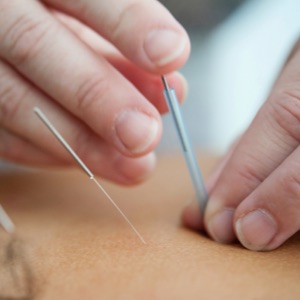
How does acupuncture work? This is a big question and one that we are still untangling with modern research. The bulk of current studies have looked at acupuncture for pain. We know that signals from nerve endings near acupuncture needles travel up to the brainstem. This is where a switch is turned on to send the release of serotonin, norepinephrine, and opioids back to the needle site to blunt pain signals. But there are also studies showing that acupuncture taps into multiple pathways to produce benefits such as dialing down inflammation in the immune system, and improving communication in the gut and brain for IBS symptoms.
One of the reasons for the wide range of benefits is the way the acupuncture needles are placed under the skin into the fascia and connective tissue where there is a continuous network of fluid filled interstitial spaces. This network connects every organ, blood vessel, muscle and nerve in the body. As much as 80% of these channels correspond directly to the map of meridians and acupuncture points on the body. Read this excerpt from an article publsihed on PNAS called "What's the Science Behind Acupuncture?":
"Andrew Ahn, director of high-tech/soft-touch integration at the Osher Center in Boston, and his team injected a dye called fluorescein into the Pericardium 6 acupoint on the inner forearm and watched it slowly migrate deep into the tissue, through interstitial spaces, and then reappear at the Pericardium 3 acupoint on the inside of the elbow (22). Ahn says he was surprised, and amazed: “Whatever path this fluorescent dye migrated through closely corresponded with the described acupuncture point–meridian network.”
Ahn believes the dye traveled via interstitial fluid pathways within connective tissue. What propelled it—and specifically between the two acupoints—remains unknown; unlike blood vessels, the interstitium has no pumps or valves. He speculates that an electrical force may be at play."
This puts the concept of qi in a whole new light! It is very exciting for us to have more understanding about the way acupuncture works. It puts the real-time effects of acupuncture that we have seen for so many years at TAC into solid understanding and will propel the diversity of uses for acupunture in the future.